Scaling up your food business and building a large-scale processing facility is an exciting leap. But with increased production comes increased responsibility, especially when it comes to compliance. Navigating the complex world of food safety regulations and facility standards can feel overwhelming. Don’t worry!
In this guide, we’ll walk you through five essential elements to consider when building your compliant food processing powerhouse. By focusing on these key areas from the outset, you’ll not only meet regulatory requirements but also build a facility that ensures the safety and quality of your products, fostering trust with your customers. Let’s get started!
Zoning and Material Flow Design for Preventing Cross-Contamination
Strategically planning the layout of your facility is paramount for compliance. This involves establishing distinct zones for different operational stages, such as raw material receiving, processing, packaging, and finished product storage.
The design should ensure a unidirectional flow of materials and personnel, minimizing the risk of cross-contamination between raw and processed goods. Dedicated pathways, separate ventilation systems, and physical barriers can further enhance segregation.
Thoughtful zoning also includes designated areas for cleaning and sanitation activities, as well as waste disposal, preventing any potential for contamination to spread throughout the facility.
Comprehensive Cleaning and Sanitation Standard Operating Procedures (SSOPs)
Maintaining a hygienic environment requires more than just routine cleaning. You need well-defined and documented Sanitation Standard Operating Procedures (SSOPs) tailored to your specific processes and equipment.
These SSOPs should detail the specific cleaning agents, concentrations, application methods, frequency, and responsible personnel for every area and piece of equipment in your facility. This includes procedures for pre-operational cleaning before each production run and operational cleaning during production, as needed.
Regular training and adherence to these SSOPs by all employees are critical. Furthermore, a robust system for monitoring and verifying the effectiveness of your sanitation procedures, such as ATP testing or microbial swabbing, is essential to ensure ongoing compliance.
Cleanable Food-Grade Processing and Industrial Bagging Equipment
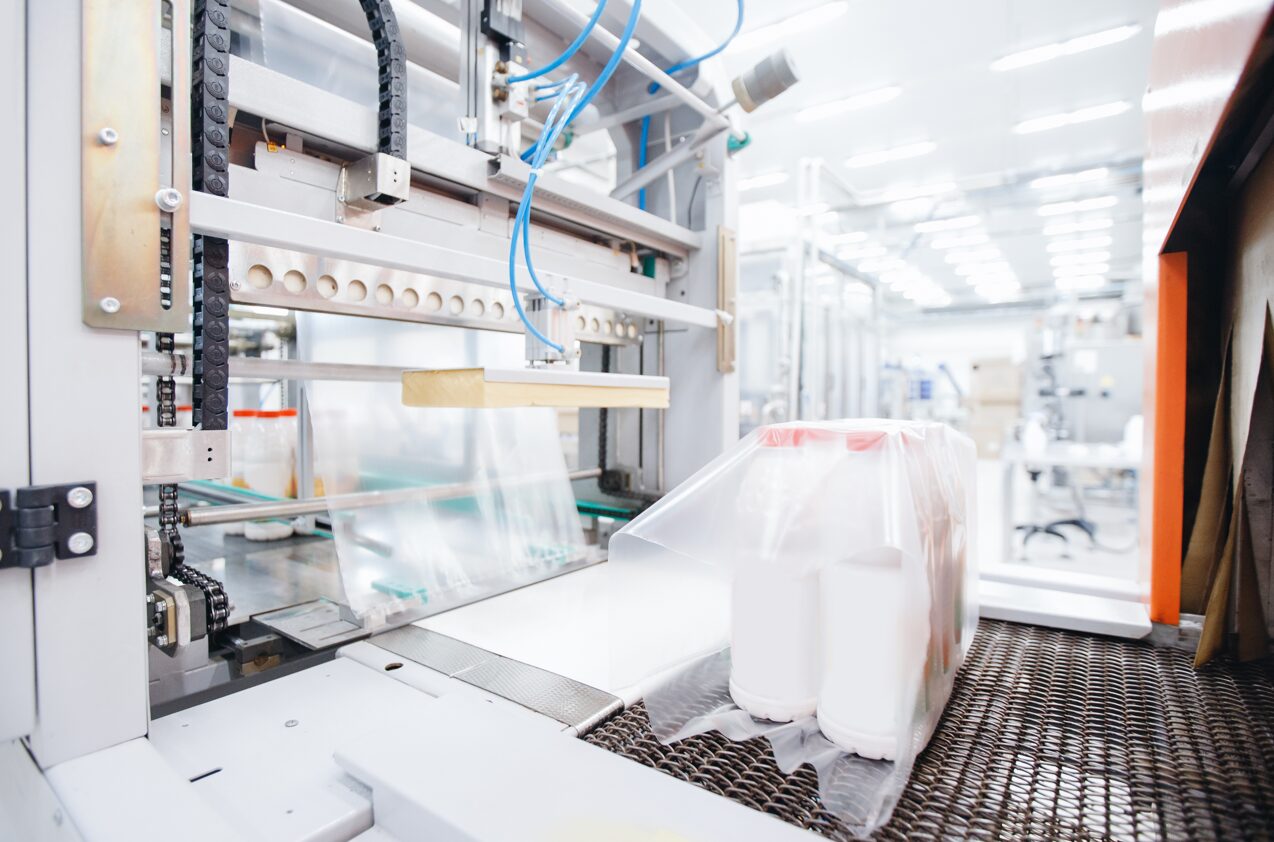
Choosing the right equipment is crucial for both efficiency and hygiene. All processing and packaging, including industrial bagging machinery, must be constructed from food-grade materials that are non-reactive, non-absorbent, and resistant to corrosion. Design features that facilitate thorough cleaning and prevent bacterial harborage are essential.
When establishing your automated packaging line, the selection of robust, industrial-grade bag filling machines, such as those offered by Choice Bagging Equipment, Ltd, goes beyond mere operational efficiency. These machines are engineered with precision to accurately dispense your food products, ensuring consistent fill weights and minimizing product waste.
This equipment should be installed with sufficient space around it to allow for easy access for cleaning and maintenance. Regular inspection and preventative maintenance schedules are also vital to ensure equipment functions correctly and doesn’t become a source of contamination.
Risk-Based Hazard Analysis and Critical Control Points (HACCP) Plan
A proactive method to achieving food safety includes the control and identification of potential hazards throughout your production process. Implementing a robust Hazard Analysis and Critical Control Points (HACCP) plan is fundamental for compliance. This requires a systematic analysis of each step in your process to identify potential biological, chemical, and physical hazards.
For each identified hazard, you’ll determine Critical Control Points (CCPs) – specific stages where control measures can be applied to prevent or eliminate the hazard or reduce it to an acceptable level. Clear critical limits, monitoring procedures, corrective actions for deviations, and verification activities must be established and meticulously documented for each CCP.
Environmental Controls and Cleanroom Certification for High-Risk Zones
For specific areas handling highly sensitive products or requiring stringent contamination control, establishing controlled environments or cleanrooms is necessary. Achieving and maintaining cleanroom certification involves careful design to control airborne particulates, temperature, humidity, and airflow.
Strict protocols for personnel entry, gowning procedures, and material transfer are essential. Regular cleanroom testing, including air particle counts and microbial monitoring, is crucial to verify the effectiveness of these controls and ensure compliance with the required ISO standards or other relevant certifications.
Continuous environmental monitoring provides data to identify and address any potential breaches in contamination control, safeguarding the quality and safety of your most sensitive food products.
Building a compliant large-scale food processing facility requires careful planning and a strong commitment to food safety at every step. By focusing on key elements like strategic zoning, robust sanitation procedures, cleanable equipment, thorough HACCP implementation, and controlled environments with regular testing for high-risk zones, you will establish a facility that meets all necessary regulations.
This dedication to compliance goes beyond simply adhering to rules. It ensures the consistent production of safe, high-quality food products, fostering trust with your customers and laying a solid foundation for the long-term success and sustainability of your food business.
Apart from that, if you want to know more about Mastering the Art of Business Relocation: 10 Strategies for a Seamless Office Move then visit our Small Businesses category.
For more information on how to create a stronger brand identity through comprehensive digital marketing strategies, check out this article: How Comprehensive Digital Marketing Solutions Create a Stronger Brand Identity
For more tips on creating a strong brand identity, check out our guide on Comprehensive Digital Marketing Solutions.
For more information on how to create a stronger brand identity, check out our guide on Comprehensive Digital Marketing Solutions.
For more insights on how comprehensive digital marketing strategies can help build a strong brand identity for your business, check out this article: How Comprehensive Digital Marketing Solutions Create a Stronger Brand Identity