Moving into your first home is an exciting milestone, but it can also be a daunting process. To ensure a smooth transition, start by creating a detailed checklist of tasks. Begin with decluttering and organizing your current belongings. This helps in deciding what to keep, sell, or donate, reducing the amount you need to move. Next, research and hire a reputable moving company well in advance, or gather packing supplies if you plan to move yourself. Notify important parties of your change of address, including the post office, banks, and utilities. It’s also wise to create a floor plan of your new home, allowing you to visualize where your furniture and belongings will go. Finally, pack a “first-day essentials” box with items like toiletries, snacks, and basic tools to make your first day in your new home comfortable and stress-free.
Infographic Provided by Mountain Movers, one of the top north Austin moversPreparing Your First Home: Essential Pre-Move Tips



Wealth
CPaaS Explained: How Cloud Communications Help U.S. Businesses Connect Faster

Businesses now communicate with customers across text, voice, chat, authentication, and other digital channels. CPaaS lets companies add those communication functions to existing software...
CPaaS Explained: How Cloud Communications Help U.S. Businesses Connect Faster

Businesses now communicate with customers across text, voice, chat, authentication, and other digital channels. CPaaS lets companies add those communication functions to existing software...
I Want to Start a Business but Have No Ideas: A...

Wanting a business before knowing what to build is a workable starting point. If you think, “I want to start a business but have...
How to Start a Podcast for Free With a $0 Setup:...
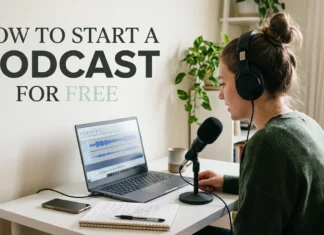
You can learn how to start a podcast for free without buying a microphone, mixer, or paid hosting plan. Your phone or computer can...
Business Partner Guide: How to Choose the Right Person and Build...

Choosing a business partner can change how your company grows, operates, and handles risk. The right person can add skills, capital, contacts, and new...