Chargeback insurance can protect merchants from certain losses caused by disputed card transactions. Coverage commonly focuses on qualifying fraud rather than every customer dispute. For U.S. businesses, understanding those limits is essential before paying for protection.
A protection plan may cover approved transactions that later become eligible for fraud chargebacks. It doesn’t eliminate disputes or guarantee payment for every case. Merchants still need fraud controls, clear policies, good customer service, and reliable dispute management.
Chargeback Insurance at a Glance
| Topic | What U.S. Merchants Should Know |
| Main purpose | Protects against qualifying chargeback losses under defined conditions |
| Common coverage | Often focuses on unauthorized or fraudulent transactions |
| Common exclusions | Merchant errors, policy violations, and many non-fraud disputes |
| Pricing | May use transaction-based, percentage-based, or customized pricing |
| Best fit | Online merchants with meaningful card-not-present fraud exposure |
| Main limitation | Financial protection doesn’t prevent the chargeback itself |
| Other controls | Fraud screening, alerts, authentication, and dispute management |
Direct answer: This coverage is financial protection for merchants facing qualifying payment disputes. A provider may absorb covered losses when an approved transaction later becomes an eligible chargeback. Coverage varies, so merchants should review exclusions, limits, fees, evidence requirements, and fraud-screening rules before enrolling.
What Is Chargeback Insurance?
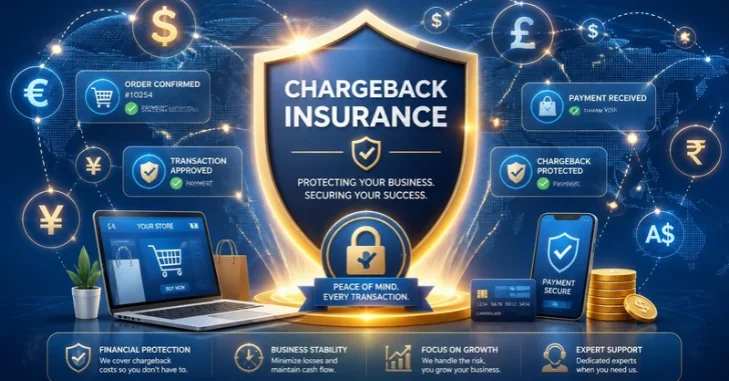
Chargeback insurance generally describes protection that shifts certain dispute losses away from a merchant. The exact structure varies by provider, processor, and agreement. Some products function as chargeback guarantees rather than traditional insurance policies.
The provider may screen transactions before accepting financial responsibility for qualifying losses. A covered transaction that becomes an eligible fraud dispute may then receive financial protection. Transactions outside the program’s conditions remain the merchant’s responsibility.
That distinction matters because the term can suggest broader coverage than a contract provides. Merchants should focus on contractual protection rather than the product label. Covered reason codes, exclusions, reimbursement rules, and financial limits deserve close attention.
How Does Chargeback Insurance Work?
The process often starts before a card payment is approved. A provider evaluates transaction risk using fraud controls or its required payment workflow. That screening helps determine which transactions qualify for protection.
When a protected transaction becomes a chargeback, the provider checks the case against its program terms. Merchants may need transaction records, delivery information, or other supporting evidence. Eligible cases can result in the provider absorbing defined chargeback costs.
This model transfers some financial risk, but it doesn’t remove disputes from the payment system. A chargeback can still occur and require operational attention. That difference separates financial protection from chargeback prevention.
Merchants building or upgrading an online store should consider dispute controls during checkout planning. Marketries’ ecommerce development guide explains how payments, security, checkout, and operational systems connect. Designing those systems together can reduce preventable payment problems later.
What Does Chargeback Insurance Cover?
Coverage commonly focuses on fraudulent card transactions, particularly unauthorized payment claims. Certain programs can also protect item-not-received disputes when merchants satisfy specific requirements. The precise scope depends on the provider’s contract.
PayPal offers a useful real-world example of how such protection can work. Its current Chargeback Protection Tool evaluates eligible card transactions for fraud risk and approves or declines them. PayPal states that qualifying cases can receive waived chargeback fees and dispute protection up to the applicable loss cap.
PayPal’s U.S. terms further limit the protection to eligible transactions and eligible chargebacks. Its agreement identifies fraud and product-not-received claims as qualifying categories, subject to program requirements. It also states that the risk assessment isn’t guaranteed to identify every fraudulent transaction.
Coverage differs between providers, making assumptions risky. One program may protect the transaction amount and certain fees. Another may impose caps, evidence rules, transaction restrictions, or excluded reason codes.
Merchants should examine these details before signing an agreement.
- Covered chargeback reason codes.
- Maximum protected amounts.
- Monthly or annual loss caps.
- Deductibles or transaction fees.
- Evidence and response requirements.
- Required fraud-screening tools.
- Excluded products or business models.
- Geographic and payment-method restrictions.
These conditions determine the practical value of a protection plan. A broad marketing promise can hide narrow eligibility requirements. Reading the actual contract is more useful than comparing product names alone.
What Usually Isn’t Covered?
Financial protection isn’t designed for every customer complaint. Service disputes, subscription confusion, refund problems, and merchant mistakes may fall outside fraud-focused plans. Product-quality complaints can also sit outside programs limited to unauthorized transactions.
Merchants can lose protection by failing to meet program requirements. Missing evidence deadlines or processing excluded transaction types can affect eligibility. Required fraud controls may also form part of the agreement.
PayPal demonstrates why these distinctions matter. Its U.S. agreement specifies eligible transactions and chargeback categories rather than promising universal protection. It also sets requirements merchants must satisfy to retain protected chargeback costs.
Businesses should therefore treat coverage as one part of risk management. It shouldn’t replace accurate billing descriptors, clear cancellation terms, reliable fulfillment, or responsive support. Those practices address disputes that a protection program may never cover.
Chargeback Insurance vs. Chargeback Prevention
Insurance-style protection and prevention solve different problems. Financial protection reduces losses after a qualifying dispute occurs. Prevention aims to stop fraudulent or confusing transactions before they become chargebacks.
| Approach | Primary Goal | When It Helps | Main Limitation |
| Chargeback protection | Absorb qualifying losses | After covered disputes | Doesn’t stop every dispute |
| Fraud screening | Identify risky transactions | Before approval or fulfillment | Can reject legitimate buyers |
| Chargeback alerts | Resolve potential disputes earlier | Before some disputes become chargebacks | Availability depends on the service |
| Dispute management | Respond with supporting evidence | After a dispute arrives | Requires records and consistent workflows |
A business may need several controls instead of choosing only one. Financial protection can cover selected transactions while prevention reduces avoidable disputes. Dispute management handles cases that still reach the merchant.
This layered approach also protects areas that insurance alone can’t address. Operational problems can generate disputes without traditional payment fraud. Better policies, fulfillment, and communication can prevent those losses more effectively.
Retailers reviewing their payment infrastructure can also examine Marketries’ retail POS system guide. It covers payment processing, security, checkout workflows, and related operating costs. Those factors can affect how effectively a merchant manages transaction risk.
How Much Does Chargeback Insurance Cost?
There isn’t one standard U.S. price for this protection. Pricing can depend on transaction volume, industry, historical disputes, fraud exposure, and coverage limits. Providers may use transaction fees, percentage-based pricing, or customized commercial terms.
PayPal’s current U.S. agreement provides an example of variable pricing. It states that fees for its protection tools can vary according to the selected option, business size, and risk profile. Businesses should therefore compare actual quotes rather than assume one market-wide rate.
Price should also be compared with the losses a program can realistically cover. A merchant processing high-value orders may assess the economics differently from a low-ticket business. Approval rates matter because strict screening can reduce fraud while also rejecting legitimate customers.
The lowest fee doesn’t automatically produce the lowest total cost. Merchants should calculate charges alongside coverage limits and excluded losses. Potential revenue lost through rejected legitimate orders also belongs in that calculation.
Who May Benefit Most?
Online retailers can face meaningful exposure because card-not-present transactions create distinct fraud risks. Merchants selling high-value or easily resold products may have additional concerns. Large transaction volumes can also turn a modest dispute rate into significant losses.
Protection may appeal to companies without dedicated fraud teams. Outsourcing some risk decisions can reduce internal work. Defined financial protection can also make certain fraud losses easier to forecast.
Still, a business with mostly service or fulfillment disputes may see less value. The same applies when confusing billing or refund practices drive chargebacks. Merchants should identify their dispute reasons before selecting a protection product.
Benefits and Limitations for U.S. Merchants
The clearest benefit is defined financial protection against eligible losses. Coverage can preserve revenue when qualifying transactions later become protected chargebacks. Some services also combine this protection with transaction screening.
The limitations deserve equal attention. Protection doesn’t mean immunity from chargebacks, and programs can impose eligibility rules. Financial caps and evidence requirements may also restrict the amount a merchant ultimately protects.
PayPal, for example, uses a contractually agreed loss cap for its Chargeback Protection Tools. Its U.S. agreement also explains that third-party chargeback fees aren’t necessarily waived. Those details show why merchants need to read beyond a provider’s headline coverage claim.
Merchants should also consider the wider cost of disputes. Staff time, processor monitoring, customer friction, and operational work don’t necessarily disappear. A complete strategy should address both dispute losses and dispute frequency.
How to Evaluate a Chargeback Protection Provider
Start with your transaction data before comparing vendors. Separate unauthorized fraud from delivery complaints, subscription disputes, refunds, and merchant mistakes. This analysis shows which losses a provider would need to cover.
Then compare the proposed contract against those dispute patterns. Ask providers for precise definitions rather than broad claims about guaranteed protection. Confirm how approvals, exclusions, limits, and claims work.
Use these questions during evaluation:
- Which chargeback reason codes receive protection?
- Are friendly-fraud disputes covered?
- What transaction types are excluded?
- Is there a deductible or loss cap?
- How is pricing calculated?
- Who controls transaction approvals?
- What evidence must the merchant provide?
- How quickly are qualifying cases resolved?
- What happens when a legitimate order is rejected?
- Can pricing or coverage change as risk changes?
The answers should allow a fair comparison between providers. They can also expose programs that don’t match your actual loss profile. Useful coverage should address measurable business risk rather than offer reassurance alone.
Is Chargeback Insurance Worth It?
This protection may make financial sense when qualifying fraud creates material recurring losses. It can also help merchants seeking more predictable exposure from approved card transactions. The economics depend on fees, approval rates, coverage, and actual protected losses.
It may offer less value when disputes mainly result from customer-service or operational failures. Better fulfillment, billing clarity, cancellation processes, and prevention may address those causes directly. Merchants should compare both approaches using their transaction history.
The decision shouldn’t depend on chargeback volume alone. Determine what percentage of recent disputes would qualify under the proposed agreement. Then compare expected protection with program fees and possible lost legitimate sales.
Broader operational resilience matters here as well. Marketries’ article on protecting a business from unforeseen risks discusses planning for financial and operational threats. Chargeback controls can fit into that wider risk-management approach.
How to Reduce Chargebacks Beyond Insurance
Prevention remains important even when a merchant buys financial protection. Clear billing descriptors help customers recognize purchases on card statements. Accurate delivery estimates and responsive support can reduce avoidable disputes.
Fraud controls should also match the merchant’s risk profile. Address verification, authentication, transaction monitoring, and risk scoring can identify suspicious activity earlier. The goal is reducing fraud without unnecessarily rejecting legitimate buyers.
Businesses should also maintain strong transaction records. Order confirmations, delivery records, customer communications, and refund histories can support dispute responses. Better records make internal chargeback analysis more useful as well.
Review chargeback data regularly instead of treating every dispute as an isolated loss. Group cases by reason, product, channel, and payment method. Patterns can reveal problems that insurance alone won’t fix.
Build a Broader Chargeback Strategy
Financial protection can reduce selected fraud losses, but it works best within a broader payment strategy. U.S. merchants should combine suitable fraud controls with clear policies, strong records, and active dispute management. Those measures address both the costs and causes of payment disputes.
Before selecting a provider, audit recent chargebacks and classify their root causes. Request detailed terms from shortlisted providers and model the expected financial result. Choose coverage when eligible protection aligns with the risks your business faces.
Frequently Asked Questions
Does chargeback insurance cover every chargeback?
No, this type of coverage doesn’t normally cover every possible dispute. Coverage depends on the provider’s contract, reason codes, and eligibility requirements. Merchants should verify exclusions before purchasing a plan.
Does it prevent customers from filing disputes?
No, financial protection generally doesn’t stop customers from contacting their card issuers. A covered dispute can still enter the chargeback process. The program determines how qualifying financial losses are handled afterward.
Is chargeback protection the same as fraud prevention?
No, although a provider can combine the two functions. Fraud prevention evaluates transactions before losses occur. Protection transfers or absorbs defined costs when qualifying approved transactions later become chargebacks.
What does PayPal Chargeback Protection cover?
PayPal says its current protection tools apply to eligible transactions and qualifying chargebacks involving fraud or products not received. Other requirements and exclusions apply under its U.S. agreement. Merchants should check PayPal’s current terms before relying on coverage.
Can small businesses use this type of protection?
Potentially, especially when online fraud causes meaningful losses. The decision should still depend on program costs and the percentage of disputes that qualify. Small merchants should also determine whether prevention would address their main chargeback causes.
What should merchants check before buying coverage?
Review reason-code coverage, exclusions, fees, deductibles, loss caps, evidence requirements, and transaction approval rules. Compare those terms against historical chargeback data. That comparison shows whether the program addresses the losses your business experiences.